PRODUCTS
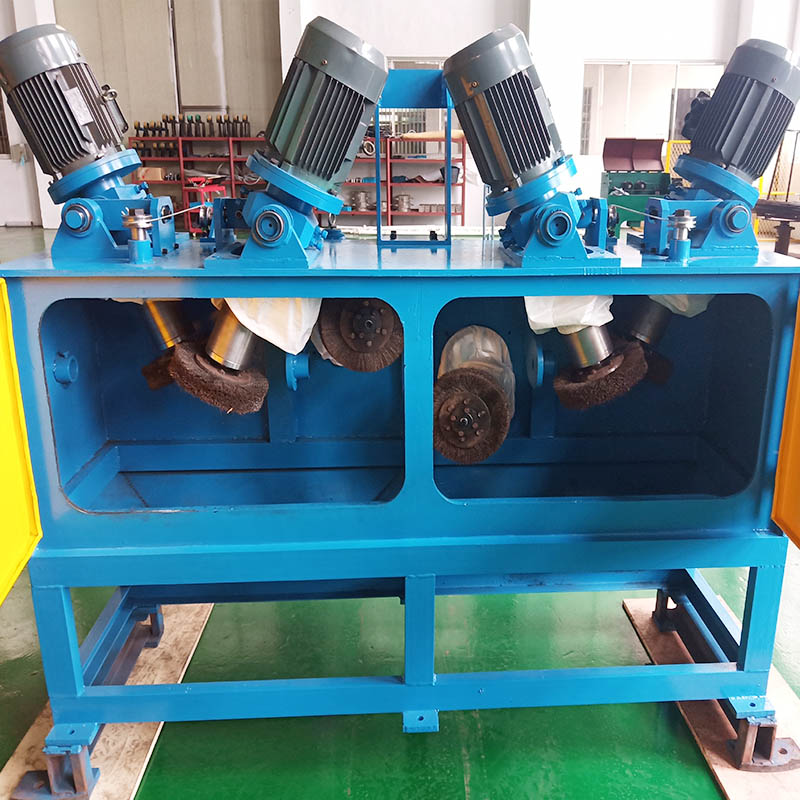
Steel Brush De-rusting Machine
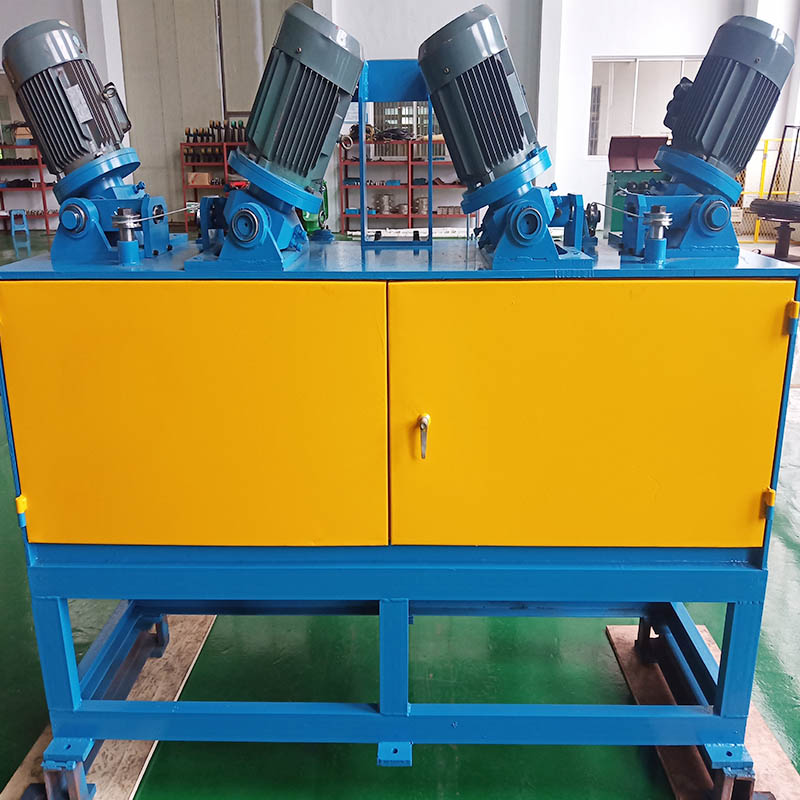
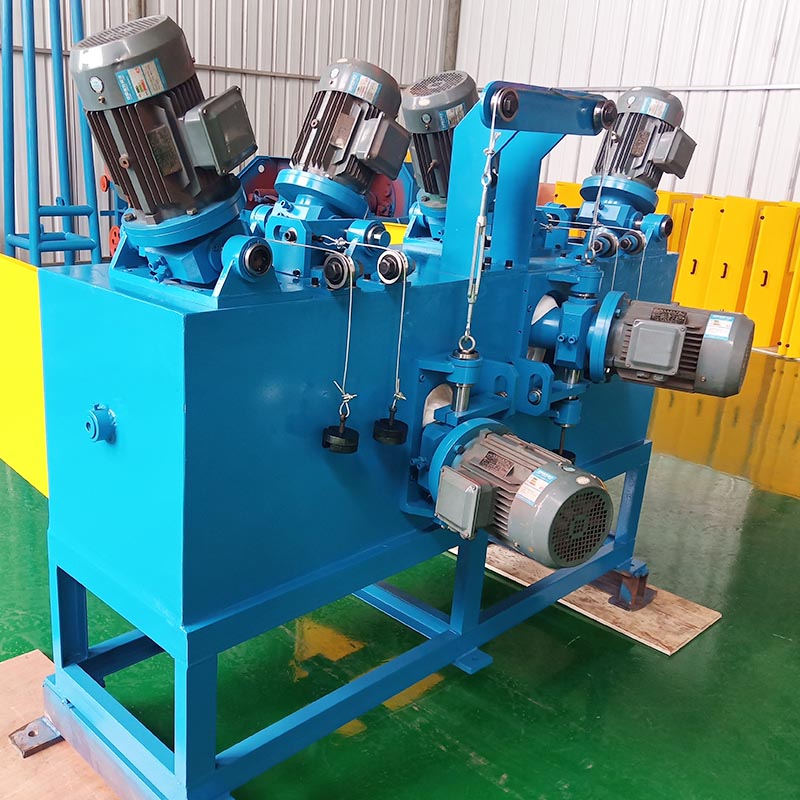
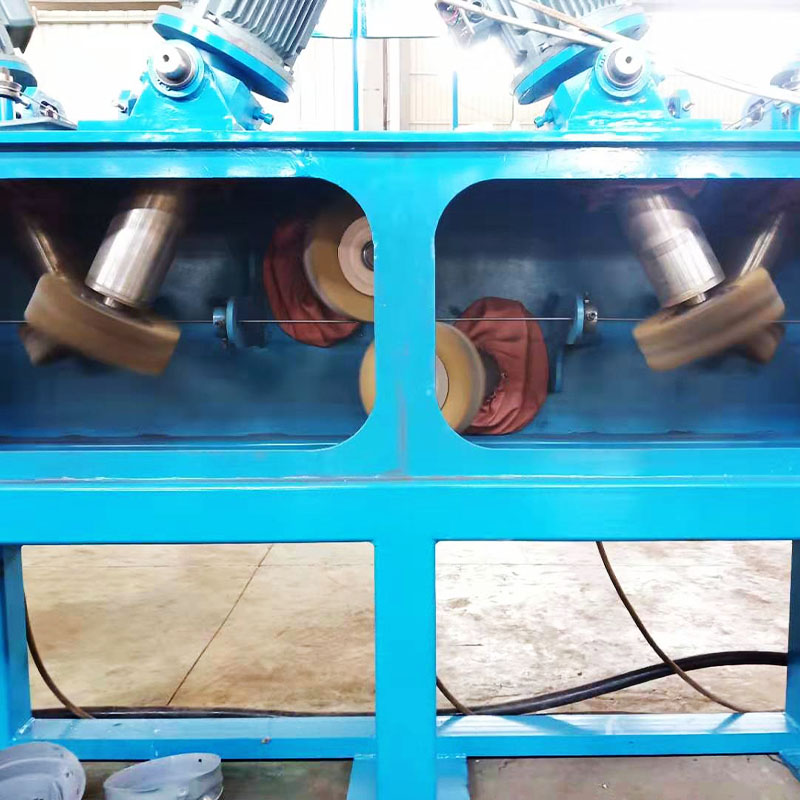
- The Mechanical Wire Descaler has two steel brushes as a group, and each group of steel brushes forms an angle of 120°.
- The steel brushes are pressed on the surface of the wire rod, and the pressing force is generated by the weight of the adjusting block itself.
- The adjustment speed is 3; the user can choose to use it as needed.
High-Efficiency Mechanical Wire Descaler | Steel Brush De-rusting Machine
The Eco-friendly Alternative to Acid Pickling for Wire Rod Surface Preparation
YF Metal Tech’s Steel Brush De-rusting Machine ( Mechanical Wire Descaler )is a high-performance, environmentally friendly solution designed to remove over 95% of the oxide layer from wire surfaces. Engineered for versatility, our machine offers customizable configurations (4, 6, 8, or 10 brush sets) to meet diverse raw material requirements and cleanliness standards.
The steel brush de-rusting machine has two steel brushes as a group, and each group of steel brushes forms an angle of 120°. The steel brushes are pressed on the surface of the wire rod, and the pressing force is generated by the weight of the adjusting block itself. The adjustment speed is 3, and the user can choose to use it according to the actual situation.
The steel brush wheel of the steel brush de-rusting machine can be selected and used according to different wire materials, and the oxide layer can be removed without scratching the wire materials.
The wire diameter of the steel wire brush of the steel brush de-rusting machine is between Ø0.3mm-Ø2mm, and the hardness of the steel wire is between HRC20°-HRC55°. If the wire passes through the straightener before entering the steel brush sheller, the effect is obvious.
The most serious defect of the Mechanical Wire Descaler is that it is difficult to draw the steel wire after the surface is brushed, the steel wire carries less lubricating powder, and the consumption of the mold increases sharply.
Therefore, it is usually used in combination with a sand belt polishing machine, which can not only remove 100% of the rust layer but also form thread-like dents on the surface of the steel wire.
These dents are filled with lubricating powder and enter the mold. The wire drawing effect is comparable to boron coating or phosphating.
Mechanical Wire Descaler Key Technical Features
Self-Adjusting Pressure System: Utilizes a weight-type automatic tightening mechanism. The pressing force is consistently generated by the adjusting block’s self-weight, preventing surface damage.
Variable Speed Control: Equipped with a 3-level speed adjustment system, allowing operators to optimize performance based on real-time production needs.
Versatile Brush Selection: Supports steel wire brushes with diameters from Ø0.3mm to Ø2mm and hardness levels between HRC20°-HRC55°, ensuring effective descaling without scratching the base metal.
The Ultimate Solution: “Brush + Belt Sanding” Combo
While mechanical brushing is highly effective, smooth-brushed surfaces can sometimes struggle with lubricant carrier adhesion during high-speed drawing.
Our Innovation:
To achieve the best results, we recommend using our Steel Brush Descaler in combination with a Sand Belt Polishing Machine.
100% Rust Removal: Combined processing ensures a perfectly clean surface.
Enhanced Lubrication: The sand belt creates microscopic “thread-like dents” on the steel wire.
Cost Efficiency: These dents act as reservoirs for lubricating powder, significantly reducing drawing die consumption.
Performance: The final drawing effect is comparable to traditional boron coating or phosphating, but without the environmental hazards.
Brush De-rusting Machine (Mechanical Wire Descaler) Technical Parameter
| Item | Parameters |
| Cleaning Ratio | ≥ 95% (Up to 100% with sanding unit) |
| Inlet Wire Diameter | 5.5mm – 20mm |
| Brush Configuration | 4 sets – 10 sets available |
| Motor Power | 4 KW |
| Rotation Speed | 1440 rpm |
| Press Type | Weight type automatic tightening (can adjust) |
| Inlet Direction | Horizontal Direction |
| Pro Tip | For optimal results, pass the wire through a straightener before entry. |
| Steel Brush LifeTime | 6 months |
High-Efficiency Mechanical Wire Descaler | Steel Brush De-rusting Machine Working Video
YF Metal Tech – Steel Brush De-rusting Machine FAQ
Q1: What wire specifications can the YF Metal Tech Steel Brush De-rusting Machine handle?
A: Our machines are engineered for wire diameters ranging from 5.5mm to 20mm. Utilizing a horizontal inlet system, the machine effectively removes over 95% of the oxide scale from the wire surface, making it an essential pre-treatment solution for the wire drawing industry.
Q2: How do I choose the number of steel brushes (4, 6, 8, or 10 sets) for my production line?
A: The configuration depends on your raw material type, the thickness of the oxide layer, and your required cleanliness standards. While 4–8 sets are standard for most applications, we recommend 10 sets for high-hardness materials or thicker scales to significantly boost cleaning efficiency and line speed.
Q3: How is the brushing pressure regulated to prevent substrate damage?
A: Our equipment features a weight-type automatic tightening system. The pressure is consistently generated by the weight of the adjusting blocks, with brushes positioned at 120° angles for uniform coverage. By selecting the appropriate brush wire diameter (Ø0.3mm–Ø2mm) based on your wire hardness (HRC20°–HRC55°), you can achieve thorough descaling without scratching the base metal.
Q4: Why is it recommended to install a straightener before the de-rusting machine?
A: Passing the wire through a straightener before it enters the brushing unit loosens the oxide scale and ensures the wire remains centered. This pre-treatment results in a more uniform cleaning effect and extends the service life of the brushes by preventing uneven wear.
Q5: I’ve heard that mechanical brushing can increase drawing die wear. How does YF Metal Tech address this?
A: This is a common industry challenge—overly smooth brushed surfaces often struggle to carry sufficient lubricant powder. To solve this, we recommend combining our Steel Brush De-rusting Machine with a Sanding Belt Polishing Machine. The sanding process creates microscopic “thread-like dents” that capture and hold lubricant, protecting your dies and reducing consumption.
Q6: Can the “Brush + Sanding” combo replace traditional phosphating?
A: Yes. The combined mechanical process yields a lubricant-carrying capacity comparable to boron coating or phosphating. It achieves 100% rust removal while being significantly more eco-friendly and cost-effective, helping your plant transition to “Green Production.”
Q7: What is the typical lifespan of the steel brush wheels?
A: Under standard operating conditions, YF Metal Tech’s high-performance steel brushes last approximately 6 months. We stock a wide range of replacement brushes with varying wire gauges and hardness levels to match your specific production intensity.
Q8: What are the power requirements and rotational speeds of the machine?
A: The machine is equipped with a high-efficiency 4 KW motor with a brush rotation speed of 1440 rpm. We offer three adjustable speed settings, allowing operators to optimize the balance between energy consumption and cleaning performance based on the actual line speed.
Q9: Is the de-rusting machine environmentally friendly and compliant with regulations?
A: Absolutely. Unlike chemical pickling, our mechanical de-rusting process produces zero hazardous liquid waste. When paired with an industrial dust collection system, it ensures a clean workspace and helps your facility meet strict environmental impact assessments (EIA).
Q10: What technical support do I receive when purchasing from YF Metal Tech?
A: As a direct manufacturer, we provide more than just hardware. We offer customized process consulting, recommending the ideal brush specifications for your specific wire grades. We provide a comprehensive warranty on core components, long-term spare parts availability, and expert remote technical guidance.