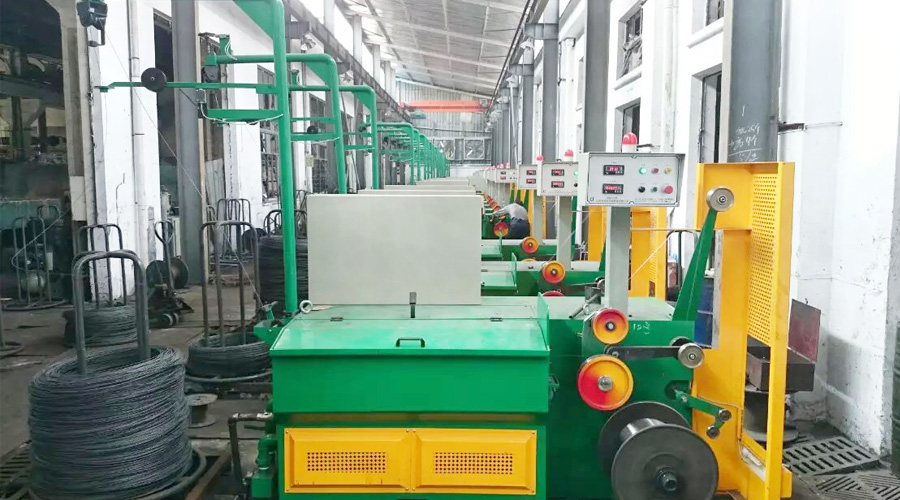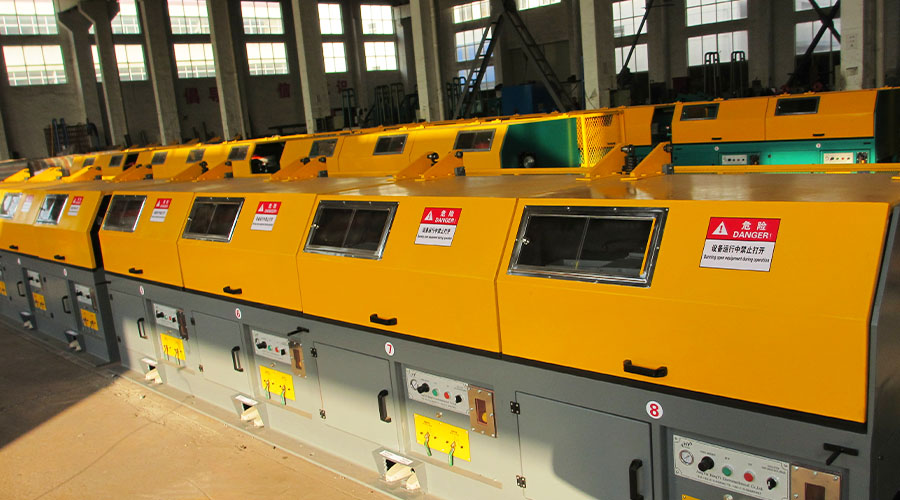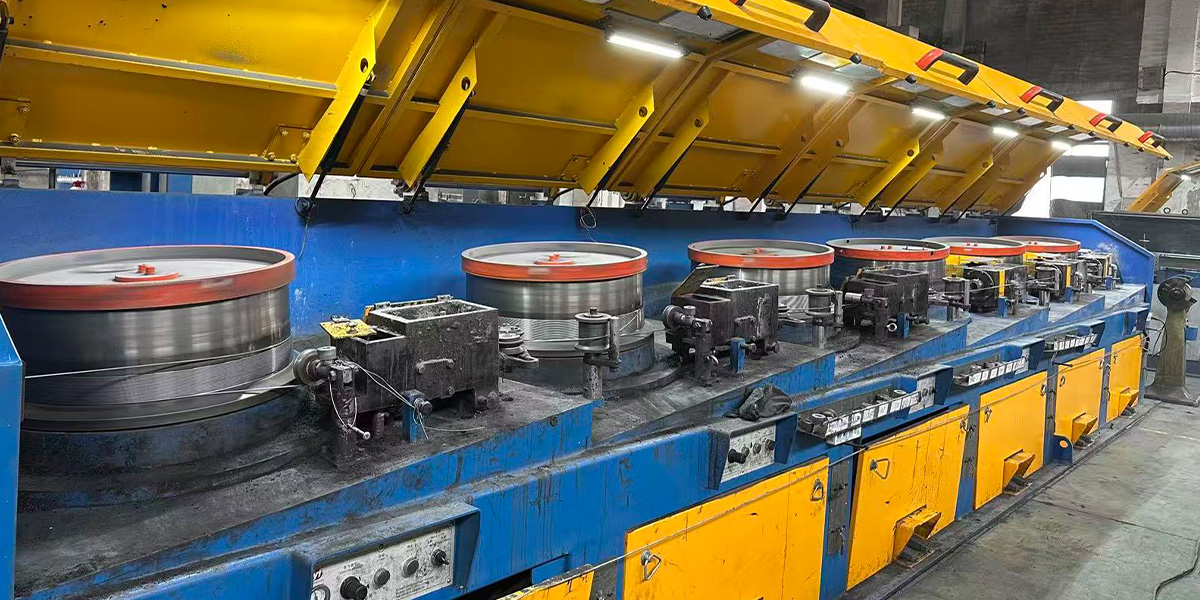
Wire drawing machines are classified mainly by lubrication method (dry or wet), drum and die arrangement (straight line, cone/pulley, inverted vertical, single-block), how the wire sits on the drum (slip or non-slip), and wire size stage (rod breakdown, intermediate, fine, ultra-fine). The right type depends on your material, inlet and outlet diameter, line speed, and output capacity. Straight line machines usually suit steel and stainless wire, cone-type slip machines suit copper and aluminum, wet fine-wire machines suit thin wire, and inverted or bull block machines suit heavy, single-pass reductions.
If you are new to the process itself, start with our guide on how a wire drawing machine works.
Key Takeaways
- There is no single “best” wire drawing machine. Each type solves a specific material and size problem.
- Dry drawing (soap powder) is used for rod breakdown and medium-to-coarse wire. Wet drawing (oil or emulsion) is used for fine wire and for materials that need strong cooling.
- Non-slip (accumulating) machines are the standard for steel wire. Slip machines are the standard for copper and aluminum.
- Machine type should be chosen after you define material, size range, speed and capacity. Not before.
- Newer options such as roller-die (rolling cassette), rotary die, ultrasonic-assisted and servo direct-drive machines can reduce friction, improve roundness and save energy.
How Wire Drawing Machines Are Classified?
Manufacturers and buyers use four classification systems at the same time. Knowing all four helps you read any datasheet.
| Classification | Categories |
|---|---|
| By lubrication | Dry drawing, wet drawing |
| By drum and die arrangement | Straight line (tandem), cone/pulley type, inverted vertical, bull block (single block), drawing bench |
| By wire-on-drum behavior | Slip type, non-slip (accumulating) type |
| By wire size stage | Rod breakdown, intermediate, fine, ultra-fine; single-wire or multi-wire |
The sections below cover the most important machine types one by one.
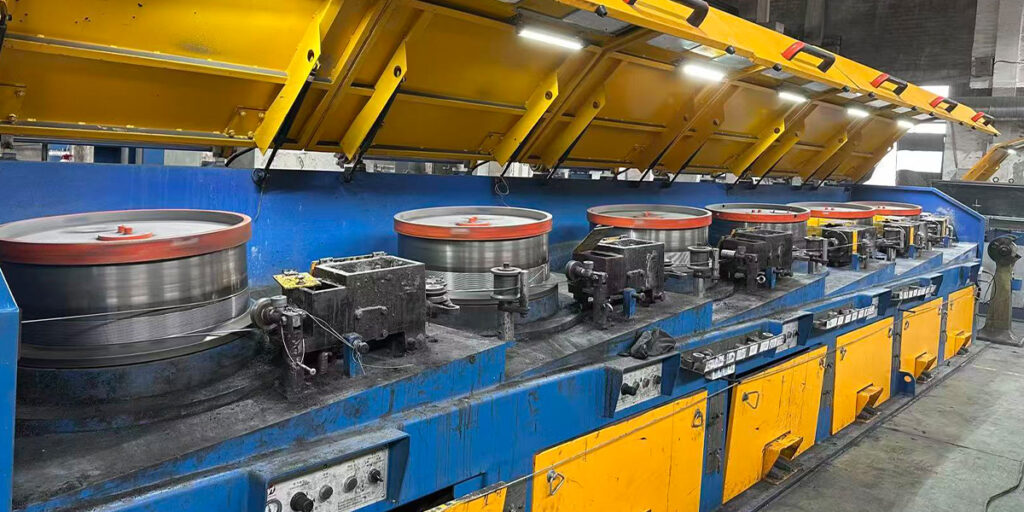
1. Straight Line Wire Drawing Machine
How it works: Die boxes and capstans (drawing drums) are arranged in a row. The wire passes through a die, wraps several turns around a capstan, then goes straight to the next die and capstan. Because the wire is not bent over each pass, bending stress on the wire is low.
Typical features
- Mostly dry drawing with soap powder in the die box (wet versions exist)
- Non-slip (accumulating) operation: speed ratios between capstans are set to match each reduction
- Water-cooled capstans with wear-resistant surfaces (hardened steel, tungsten carbide coating or ceramic)
- Line-type take-up: spooler, coiler or automatic spool change
- PLC control, AC variable-frequency or servo drives
Best for
- Low, medium and high-carbon steel wire (spring wire, bead wire, rope wire)
- Stainless steel wire
- Welding wire (including CO₂ gas-shielded welding wire)
- Alloy wire that needs steady tension
Strengths: stable tension, low bending damage, high speed, good control of wire surface. Limits: needs correct reduction schedule and speed synchronization; a longer machine footprint than a single-block machine.
Related: see our straight line wire drawing machine range.
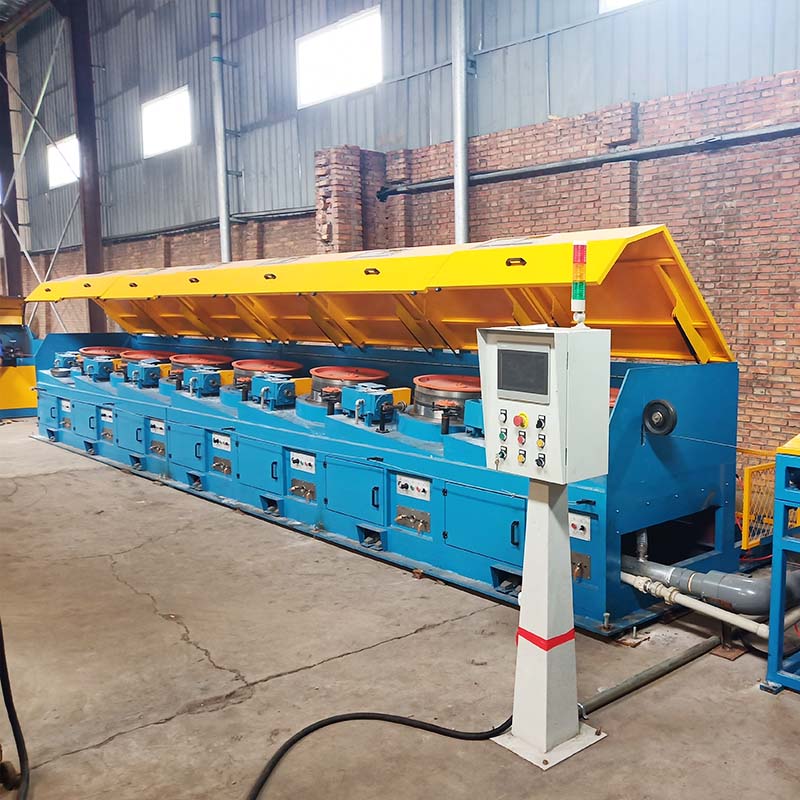

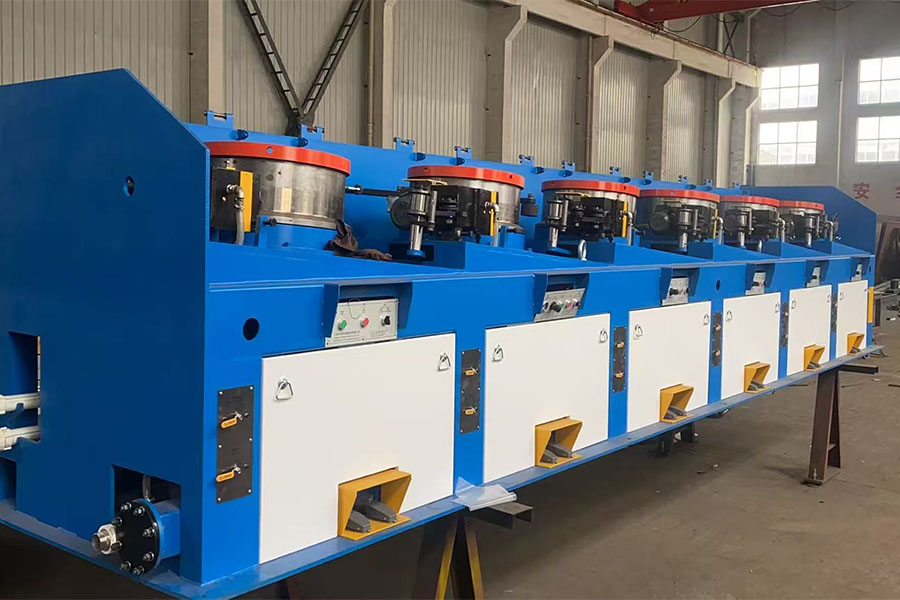
2. Cone (Pulley) Type Wire Drawing Machine, Slip Type
How it works: The wire is wrapped around stepped cone pulleys (or stepped drums). Each step has a slightly different diameter, and the wire is allowed to slip slightly on the pulley surface. This lets one motor drive several stages while the speed of each stage follows the elongation of the wire.
Typical features
- Usually wet drawing with emulsion or oil, which also cools the wire
- Common in rod breakdown machines (RBM) and intermediate machines for copper and aluminum
- Often paired with an in-line annealer so wire is softened right after drawing
Best for
- Copper rod breakdown (for example, 8 mm rod down to a few millimetres)
- Aluminum and aluminum alloy wire
- Brass and bronze wire
- Bare and tinned copper conductors
Strengths: compact, forgiving to small speed differences, well suited for soft non-ferrous metals. Limits: wire slips on the drum, so the drum surface wears and wire tension is harder to control precisely. This type is not the usual choice for hard, high-strength steel wire.
3. Wet Fine and Ultra-Fine Wire Drawing Machine
How it works: Many small dies are submerged in a lubricant bath. The wire passes through a long series of dies at high speed, with very small reductions per pass.
Typical features
- Wet drawing with oil or emulsion, filtered and temperature-controlled
- Diamond dies (natural, synthetic single crystal or PCD) because of their precision and wear resistance
- Single-wire or multi-wire designs (several wires drawn in parallel)
- Frequently combined with drawing and annealing in one line
Typical size stages (varies by material and machine builder)
- Rod breakdown: rod down to about 1.5–3.5 mm
- Intermediate: roughly 0.5–1.8 mm
- Fine: roughly 0.1–0.5 mm
- Ultra-fine: below about 0.1 mm
Best for
- Magnet wire and enamelled wire base conductors
- Fine copper and tinned copper wire, electronic and flexible cable conductors
- Fine stainless steel and alloy wire (medical, filtration, mesh, spring micro-wire)
Strengths: very high surface finish and diameter precision, excellent cooling. Limits: higher machine cost (liquid-tight construction, filtration, cooling), and dies must be managed carefully.
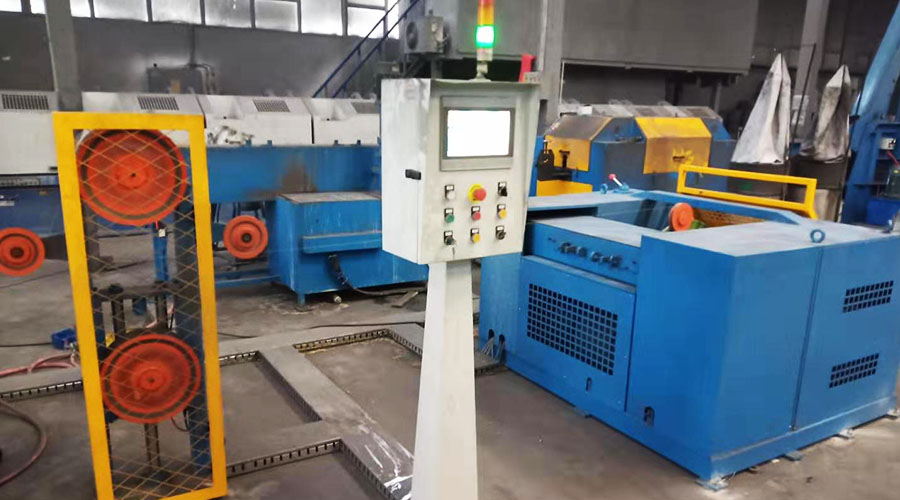

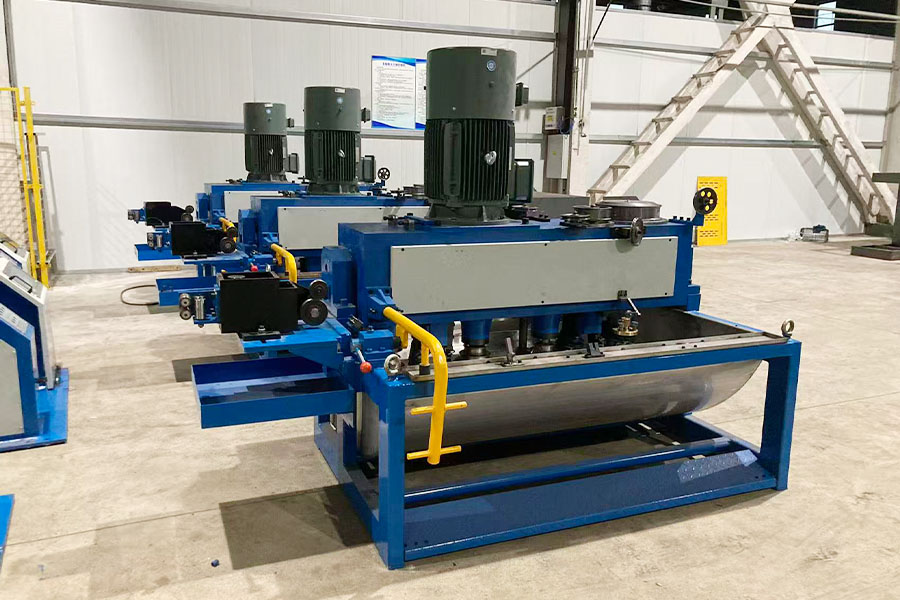
4. Inverted (Vertical) Wire Drawing Machine
How it works: The drum rotates about a vertical axis. The wire passes through a die located below the drum and is pulled upward, then wrapped around the drum. The finished wire is stripped from the drum by an inverted (dead) block or collected on the drum, depending on the design.
Typical features
- Usually one die per drum, dry drawing
- Can be set up as a single-pass unit, or as several units in sequence
- Takes up less floor space than a long horizontal line
Best for
- Coil-to-coil drawing of medium to heavy wire
- Steel wire for fasteners, nails and cold heading
- Wire for welded mesh, rebar tying and other construction uses
Strengths: simple structure, easy operation, lower investment, space-saving. Limits: one reduction per pass, so multiple passes mean multiple units or repeated handling.
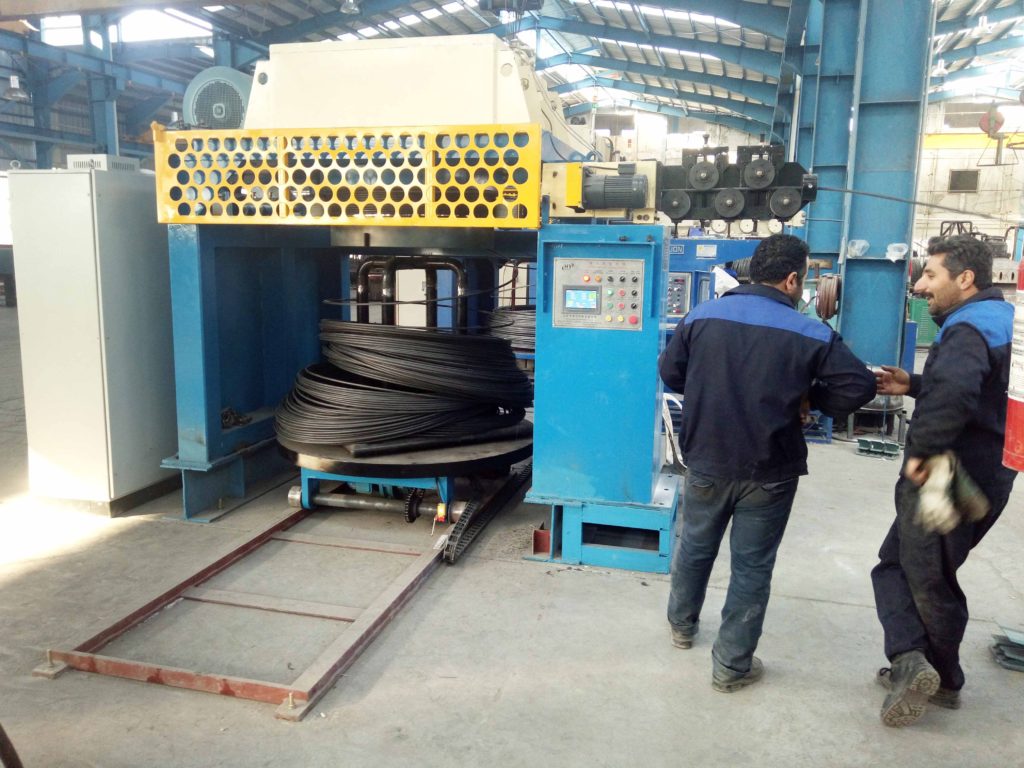
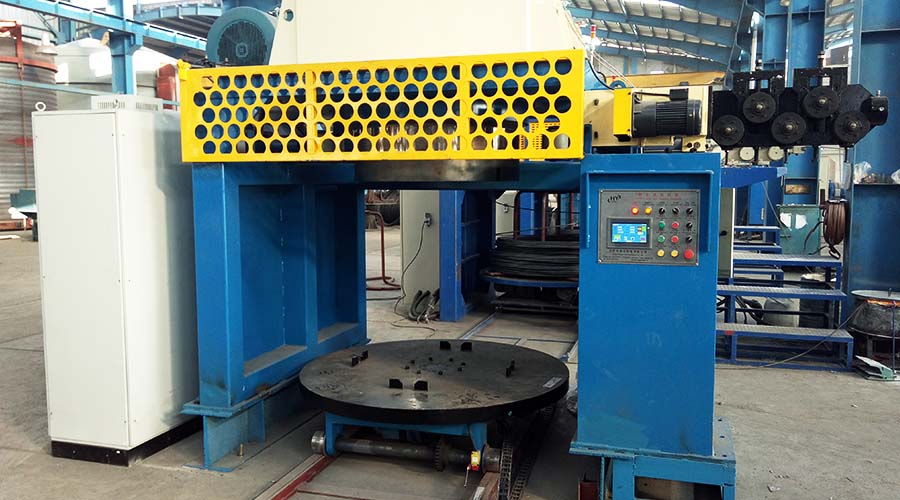
5. Bull Block (Single Block) Machine
How it works: One die and one large drum. The wire is drawn through the die and collected on the drum itself, which then becomes the coil.
Best for
- Heavy single-pass reductions on large-diameter wire
- Small production runs, special alloys, trial production
- Wire that needs further processing off-line
Strengths: high pulling force, simple, flexible. Limits: low productivity compared with continuous multi-die lines.
6. Rolling Cassette (Roller Die) Wire Drawing Machine
How it works: Instead of a fixed die, a cassette with rollers (two or four) shapes the wire. Rolling contact replaces much of the sliding friction.
Why it matters
- Lower friction and drawing force
- Can allow larger reductions on some materials
- Good for hard-to-draw alloys and profiled (flat or shaped) wire
- Can work alongside straight line machines for the first reduction stages
Limits: more complex tooling and setup; best matched to the right application, not a general-purpose replacement for dies.
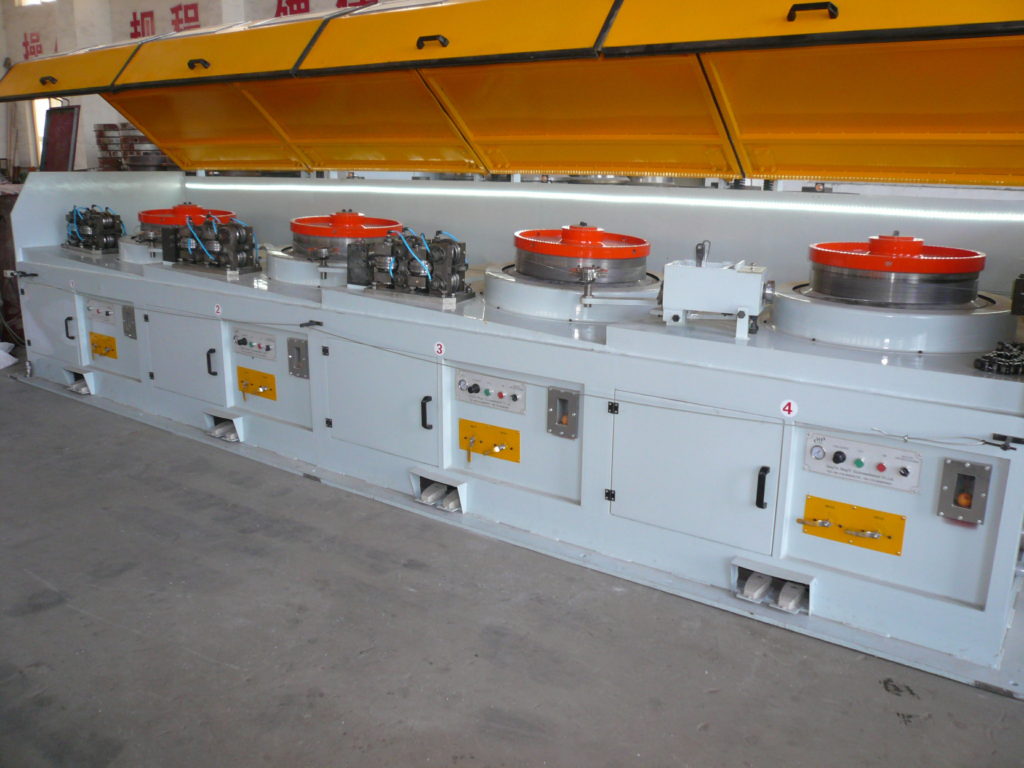

7. Rotary Die and Ultrasonic-Assisted Drawing
These are advanced options for demanding applications.
- Rotary die drawing: the die rotates, which can improve roundness, spread wear more evenly and reduce drawing friction.
- Ultrasonic-assisted drawing: ultrasonic vibration applied to the die or wire can reduce friction and drawing force, supporting finer wire and difficult alloys.
- Acid-free (mechanical descaling) drawing: a process route for carbon steel rod that removes scale mechanically instead of by acid pickling, cutting chemical waste.
- Servo direct-drive: removes gearbox stages, improving speed accuracy and energy efficiency.


8. Drawing and Annealing Machines
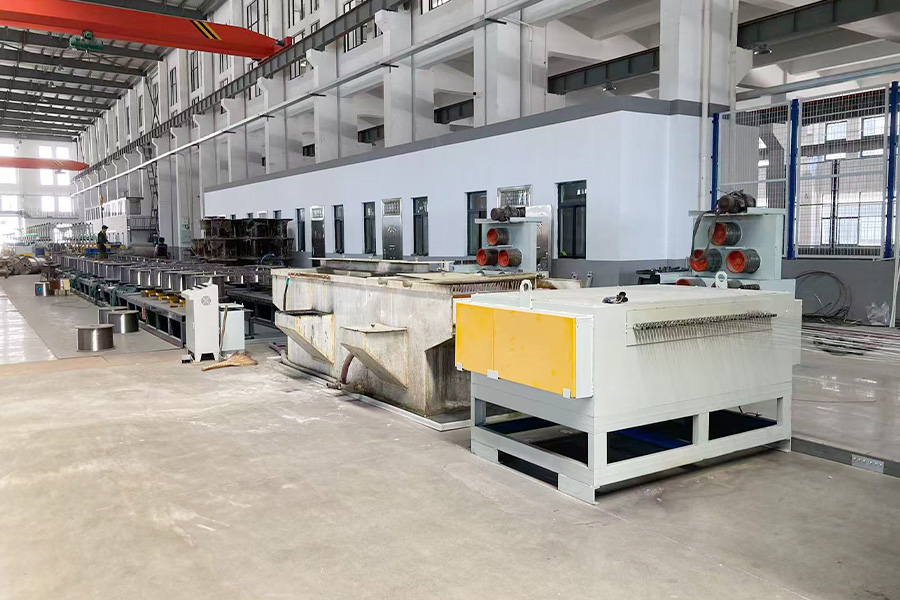
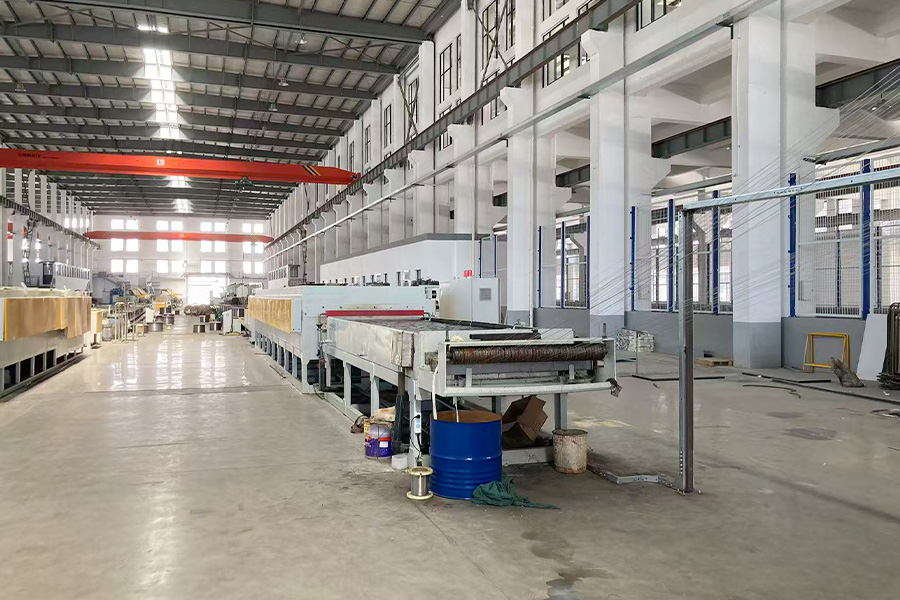
Copper and some alloy wires lose ductility as they are cold worked. A drawing and annealing machine places an in-line annealer (commonly electrical resistance annealing) after the drawing stages so the wire leaves soft and flexible. These lines are standard for bare copper conductors, tinned copper wire, and electronic or cable wire.
9. Multi-Wire Drawing Machines
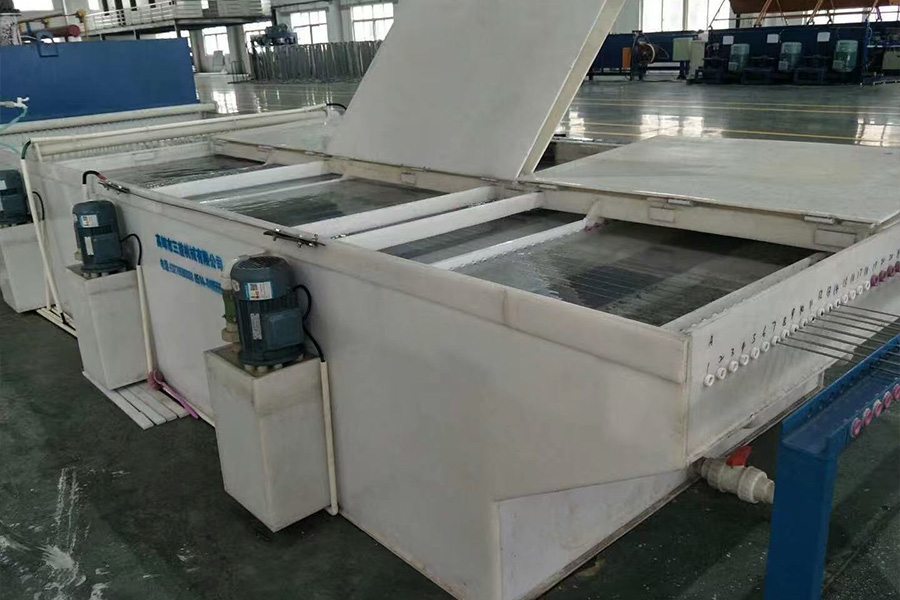
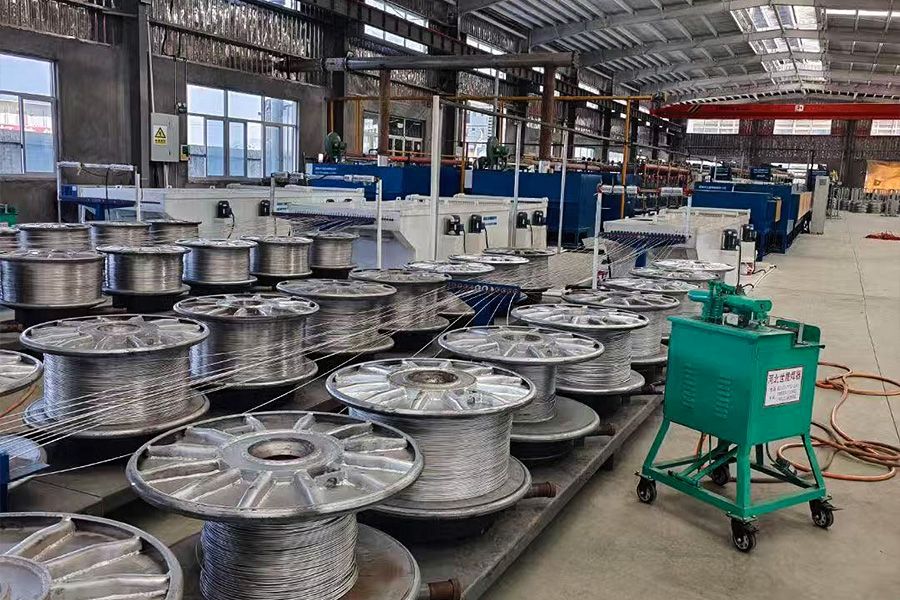
For fine and ultra-fine wire, one machine can draw several wires at the same time (for example, 8, 16, 24 or more strands), each passing through its own die set. This greatly increases output for magnet-wire and fine-conductor production.
10. Drawing Benches (for Tube, Bar and Special Sections)
A draw bench pulls straight lengths of bar or tube through a die with a carriage and chain or hydraulic drive. It is not a wire coil machine, but it often appears in the same search results. Choose it for rigid bar and tube, not for coiled wire production.
Comparison: Which Machine Type Fits Which Job?
| Machine type | Typical lubricant | Wire-on-drum | Typical materials | Typical size range | Typical use |
|---|---|---|---|---|---|
| Straight line (tandem) | Dry (soap powder), some wet | Non-slip | Carbon steel, stainless, alloy | Medium to fine | Spring, welding, rope wire |
| Cone/pulley type | Emulsion / oil | Slip | Copper, aluminum, brass | Rod breakdown to intermediate | Conductors, alloy wire |
| Wet fine/ultra-fine | Oil / emulsion | Slip or non-slip | Copper, stainless, alloy | Fine to ultra-fine | Magnet wire, electronic wire |
| Inverted vertical | Dry | Single block | Carbon steel, wire for fasteners | Medium to heavy | Coil-to-coil drawing |
| Bull block | Dry | Single block | Various | Heavy | Large reductions, small runs |
| Rolling cassette | Dry/wet, reduced friction | Typically non-slip | Hard alloys, profiled wire | Medium | Special alloys, shaped wire |
Size ranges are indicative. Actual capacity depends on the machine model, material grade and process design.
Choosing by Material
| Material | Common machine choice | Key points |
|---|---|---|
| Copper (rod breakdown) | Cone-type slip machine, wet, with annealer | Emulsion cooling, bright surface, in-line annealing |
| Fine copper wire | Wet fine/ultra-fine multi-wire, drawing and annealing | Diamond dies, filtered lubricant |
| Aluminum and alloys | Cone-type slip wet machine | Low-friction lubrication, careful die and surface care |
| Low and medium carbon steel | Straight line dry or inverted vertical | Descaling and coating of rod, soap powder lubricant |
| High carbon (spring, rope) steel | Straight line dry, non-slip | Patenting before drawing, tension and cooling control |
| Stainless steel | Straight line (dry or wet), wet fine for small sizes | Strong work hardening, suitable lubricant and die choice |
| Welding wire | Straight line dry, often with coating line | Surface consistency and diameter accuracy |
| Special and high-strength alloys | Rolling cassette, rotary die or ultrasonic-assisted | Reduced friction and drawing force |
How to Choose the Right Wire Drawing Machine: A Practical Checklist
- Define the material and grade. This decides lubrication, die material and drum surface.
- State the inlet and outlet diameter. The ratio sets the number of passes, so the number of dies and drums.
- Set the line speed and capacity (kg/h or tons/day). Check that drums, motors and cooling can support them.
- Specify wire quality targets: diameter tolerance, roundness, surface, tensile strength.
- Decide the process route: dry or wet, in-line annealing, coating, coil-to-coil or spool-to-spool.
- Plan the automation level: automatic spool change, wire-break detection, recipe storage, data monitoring.
- Consider the whole line: pay-off, descaling or pre-treatment, take-up, packing, and die polishing equipment.
- Evaluate the manufacturer: engineering support, installation and commissioning, operator training, spare parts and die supply.
Common Selection Mistakes
- Buying by price per machine, not by total cost per ton. Energy use, die cost, downtime and scrap decide long-term cost.
- Choosing too few passes. Over-aggressive reductions raise breaks and die wear.
- Ignoring rod quality. Surface defects in rod show up as breaks in fine wire.
- Skipping the lubricant and cooling design. This is a leading cause of poor surface and short die life.
- Specifying drum size without checking material. Hard steel wire needs enough drum diameter to avoid bending stress.
What Affects the Price of a Wire Drawing Machine?
Prices vary widely, so a fair quotation depends on your specification. The main cost drivers are:
- Number of dies and drums, and drum diameter
- Wire material and size range
- Line speed and output capacity
- Drive type (AC variable frequency or servo) and control system
- Die system, lubricant circulation and filtration
- In-line annealing, coating or other auxiliary equipment
- Automation level and after-sales scope (installation, commissioning, training)
Send your material, wire sizes and target capacity to receive a tailored configuration and quotation.
Why Source from a Wire Drawing Machine Manufacturer?
Buying directly from the manufacturer means the drum design, drive, tension control, die system and automation are matched to your wire. YF Metal Tech designs, manufactures, installs and commissions wire drawing machines and complete wire drawing lines, including straight line, wet, vertical, rolling cassette and automatic machines, with the auxiliary equipment to go with them.
Contact our engineers for a machine recommendation and quotation →
Frequently Asked Questions
1. What are the main types of wire drawing machines?
The main types are straight line (tandem) machines, cone or pulley type slip machines, wet fine and ultra-fine machines, inverted (vertical) machines, bull block (single block) machines, and rolling cassette (roller die) machines. Drawing and annealing lines and multi-wire machines are specialized variants.
2. What is the difference between a straight line and a cone type wire drawing machine?
A straight line machine uses separate drums and die boxes in a row and usually runs non-slip, which gives tight tension control and suits steel and stainless wire. A cone type machine uses stepped pulleys where the wire slips slightly, which is compact and well suited to copper and aluminum.
3. What is the difference between dry and wet wire drawing machines?
Dry machines use solid soap powder as lubricant and suit rod breakdown and medium to coarse wire. Wet machines submerge dies in oil or emulsion, which cools and lubricates better and is used for fine and ultra-fine wire and for non-ferrous metals.
4. What is a slip type vs non-slip wire drawing machine?
In a slip machine the wire slides slightly on the drum, and the speed ratio is set a little above theoretical. In a non-slip machine the wire stays fixed to the drum surface, and speed control matches each pass exactly.
5. Which wire drawing machine is best for copper wire?
Copper rod breakdown and intermediate drawing are usually done on cone-type slip machines with emulsion lubrication and an in-line annealer. Fine copper wire is made on wet fine-wire machines, often multi-wire, with diamond dies.
6. Which wire drawing machine is best for stainless steel wire?
Straight line machines are widely used because stainless steel work hardens strongly and needs stable tension and the right lubricant. Fine stainless wire is drawn on wet fine-wire machines.
7. What is a rod breakdown machine?
A rod breakdown machine (RBM) takes hot-rolled or cast rod, for example 8 mm copper rod or 9.5 mm aluminum rod, and reduces it in several passes to an intermediate wire size for further drawing.
8. What is an inverted wire drawing machine used for?
It draws medium to heavy wire coil-to-coil with a vertical drum, commonly for steel wire used in fasteners, nails, mesh and construction.
9. How do I know which machine fits my production?
Provide your material, input and output diameter, target capacity and wire quality requirements. An engineer can then calculate the number of passes, drum sizes and drive power, and recommend the machine type.
Need a machine recommendation? Share your material, size range and capacity with the YF Metal Tech team for a tailored solution.