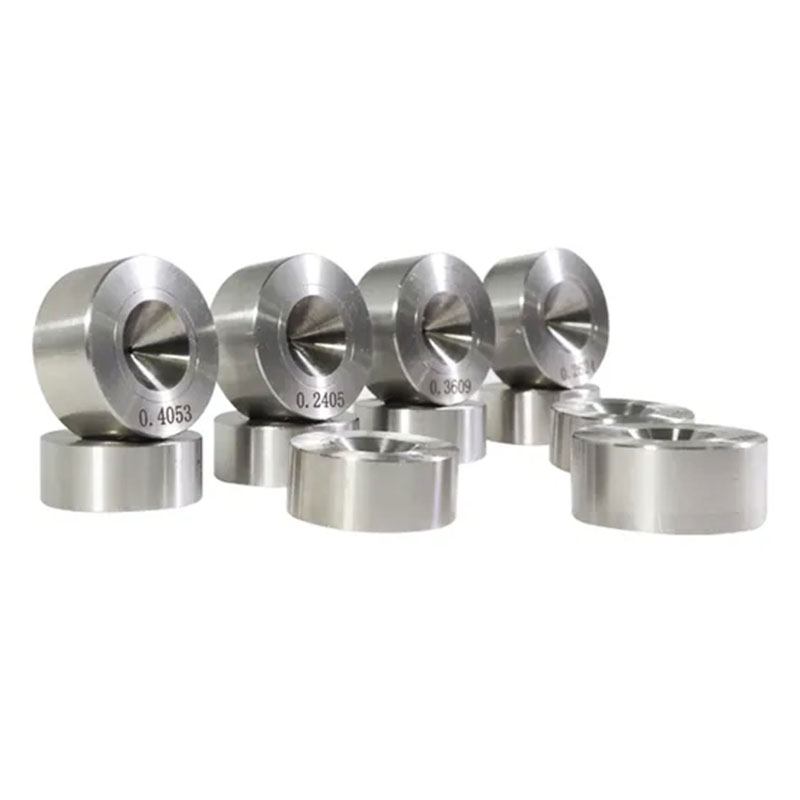
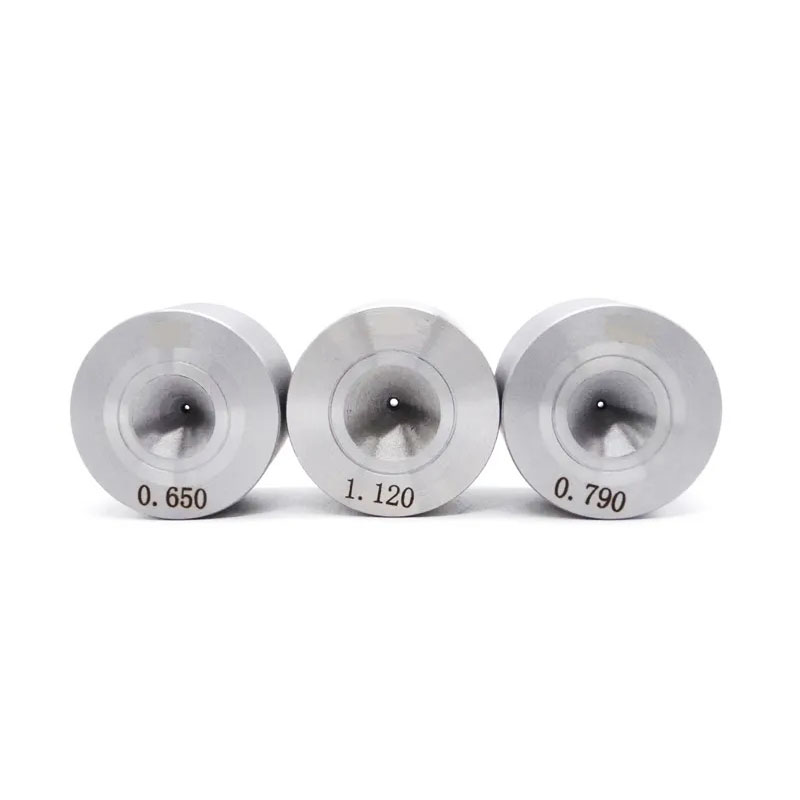
PCD Drawing Die – Polycrystalline Diamond Wire Drawing Dies Made by YF Metal Tech
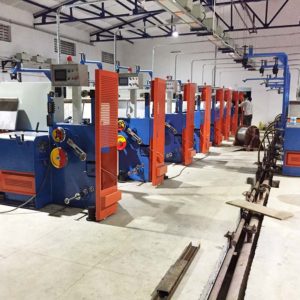
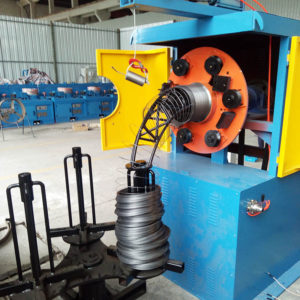
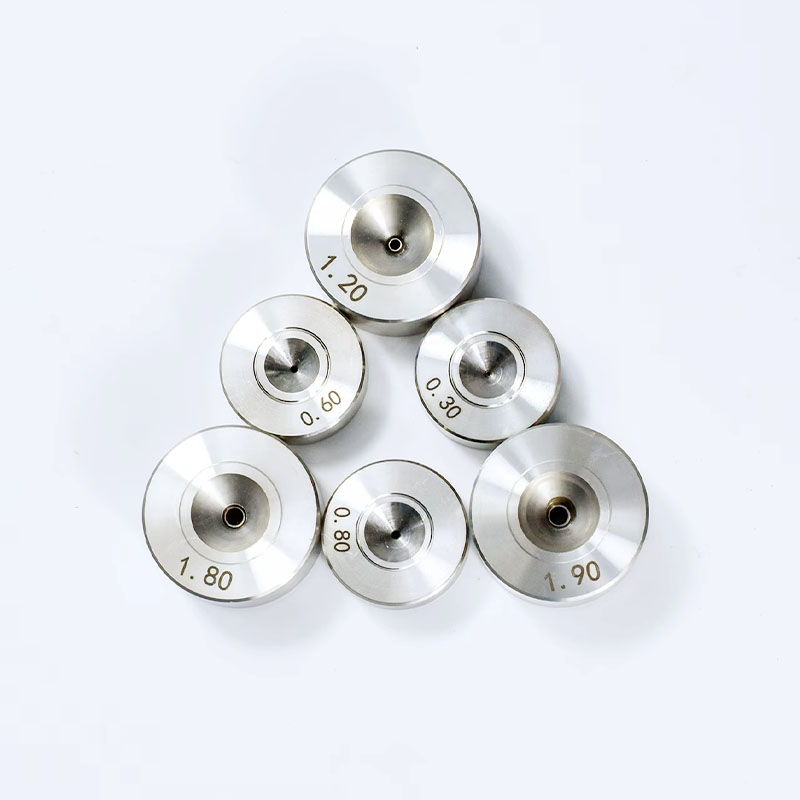
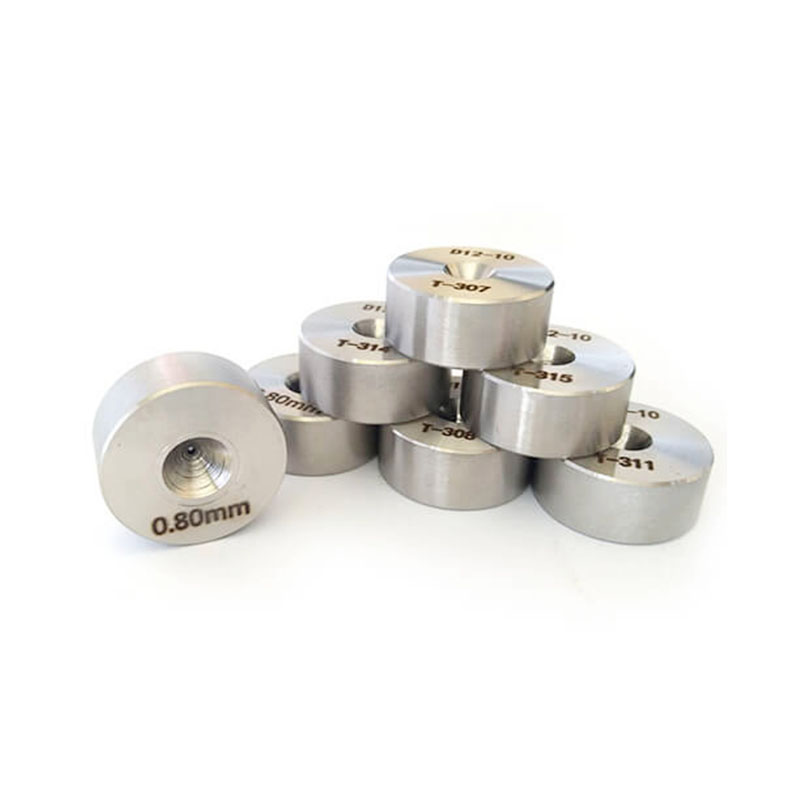
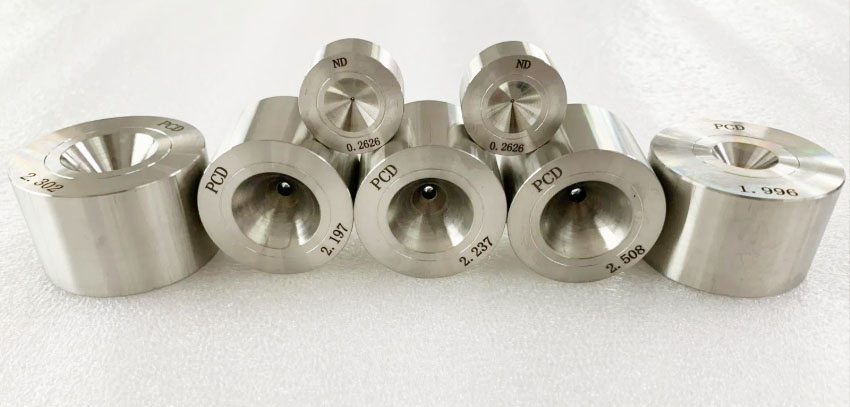
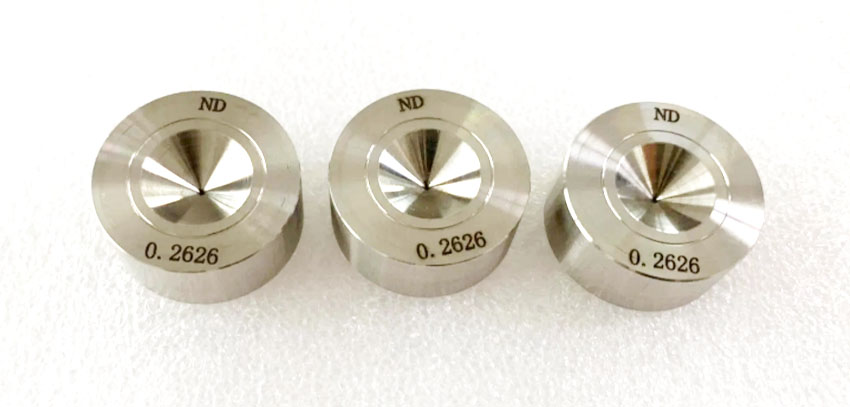
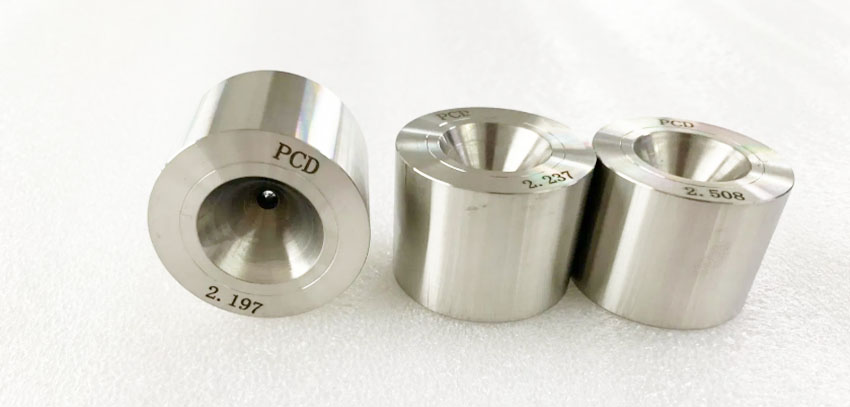
YF Metal Tech manufactures polycrystalline diamond (PCD) drawing dies for copper, aluminum, stainless steel and alloy wire. A PCD drawing die uses a sintered diamond nib whose grains are oriented randomly, so the bore wears evenly in every direction. Wire stays round, surface finish stays consistent, and the die runs far longer between changes than a tungsten carbide die. As a wire drawing machine manufacturer with more than 30 years of experience, we design and build our dies with the drawing line in mind: bore geometry, polish, casing and lubrication conditions are matched to your wire material, drawing speed and machine type.
PCD Drawing Die at a Glance
| Item | Details |
| Die material | Polycrystalline diamond (PCD) nib, sintered under high pressure and high temperature |
| Typical wire materials | Copper, aluminum, copper-clad and plated wire, stainless steel, tungsten, alloy wire |
| Drawing process | Wet and dry drawing; pressure and non-pressure dies |
| Configurations | Self-supported PCD nib, or PCD supported by a tungsten carbide ring, in a stainless steel or steel casing |
| Bore size range | 0.1 ~11mm |
| Customization | Bore size, approach angle, bearing length, casing size, polish grade, on request |
| Typical industries | Magnet wire, welding wire, medical and spring wire, steel wire, binding wire |
1 µm (ultra-fine), 5 µm (fine), 12 µm (medium), 25 µm (coarse). Selection depends on desired wire surface finish and drawing conditions.
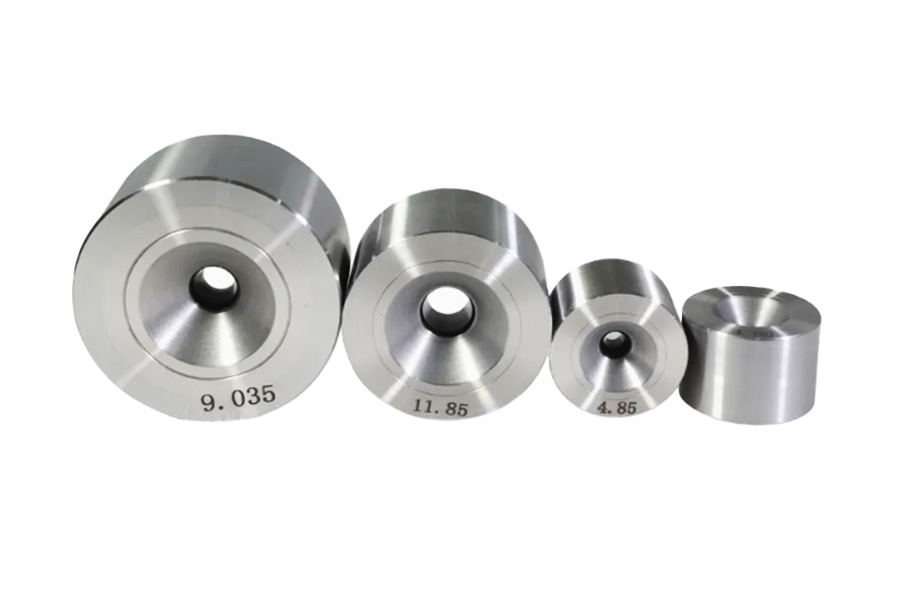
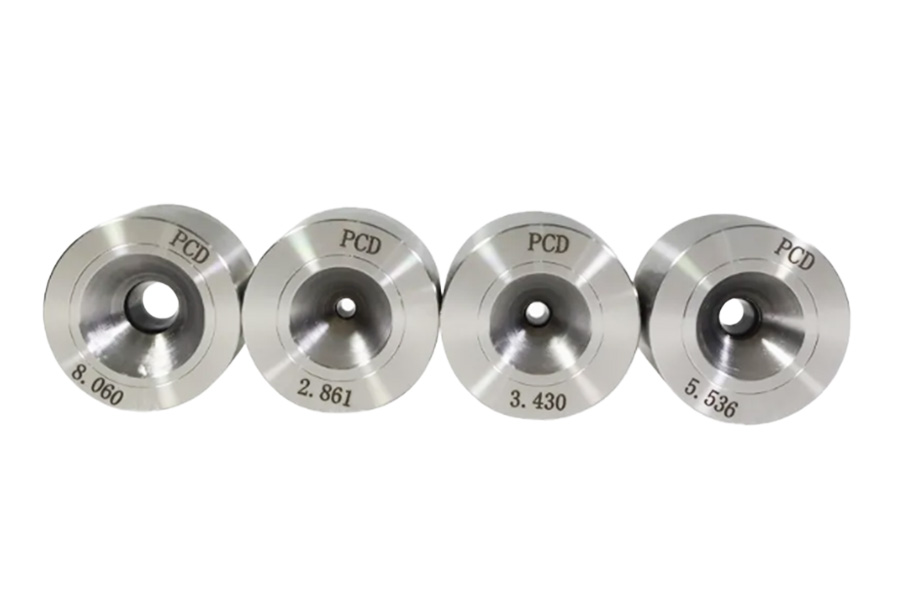
PCD vs Tungsten Carbide vs Natural Diamond (ND) Drawing Dies
| Property | PCD die | Tungsten carbide die | Natural diamond (ND) die |
| Wear resistance | Very high, same in all directions | Moderate | Very high, but varies by crystal direction |
| Wear pattern | Even bore enlargement, wire stays round | Even, but wears quickly | Can wear out of round over time |
| Relative die life | Tens to 100+ times carbide in suitable applications | Baseline | Comparable to or above PCD on fine wire |
| Chipping and cleavage risk | Low | Low | Higher, because diamond can cleave |
| Available bore sizes | Small to large | All sizes | Best for fine and ultrafine; costly at large sizes |
| Purchase price | Higher than carbide, lower than large ND | Lowest | Highest |
| Best use | Long runs, abrasive or hard wire, high speed | Rod breakdown, short runs, cost-sensitive jobs | Fine and ultrafine wire |
When PCD is not the best choice
We tell customers when another die fits better. For very fine wire sizes, natural or single-crystal diamond dies are often the better option. For short runs or the first breakdown passes on hot-rolled rod, tungsten carbide is usually the more economical choice. For bare ferrous wire drawn at high temperature, diamond can be attacked by iron at the contact surface, so die selection and cooling need to be confirmed with our engineers first.
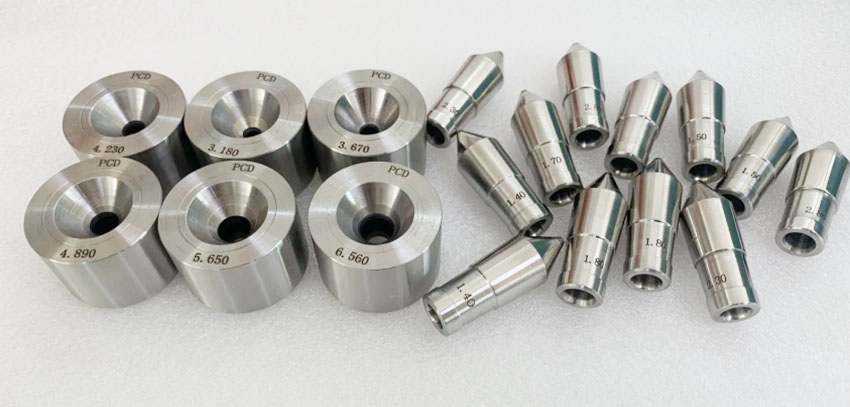
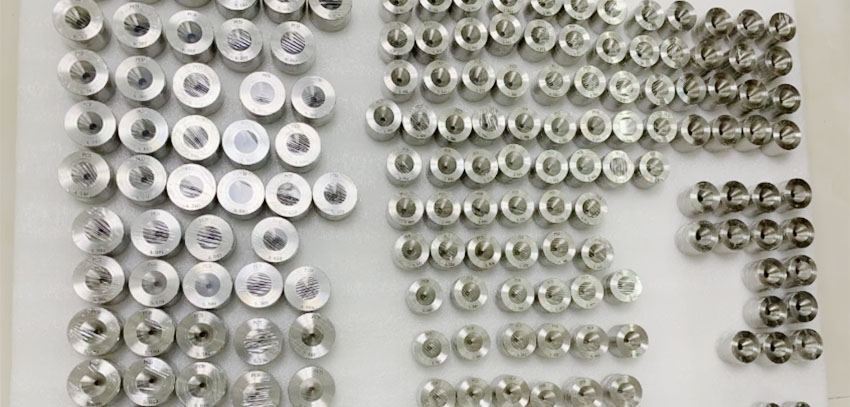
How a PCD Wire Drawing Die Is Built?
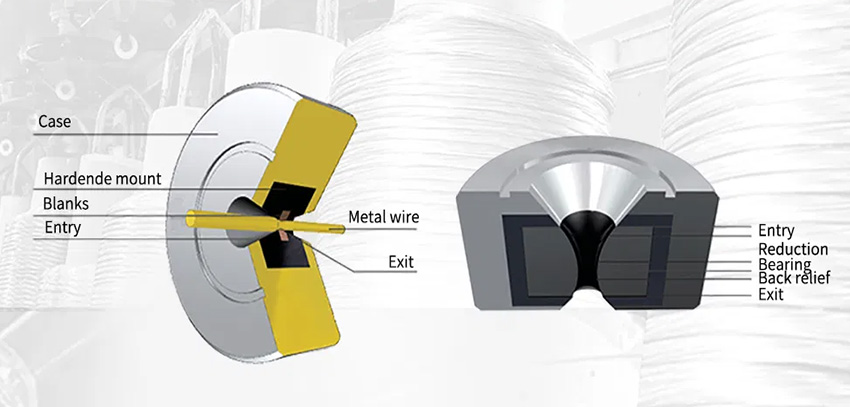
A PCD drawing die has three parts: the PCD nib that contacts the wire, an optional tungsten carbide support ring, and a metal casing that holds the nib in the drawing box. Each zone of the bore has a job, and small changes in geometry change die life and wire quality.
| Bore zone | Function | What we match to your process |
| Entrance (bell) | Guides wire in and lets lubricant enter | Bell shape and polish for your lubricant and speed |
| Approach (reduction zone) | Does the actual diameter reduction | Approach angle for your wire material and reduction per pass |
| Bearing (land) | Sets final diameter and holds size | Bearing length for tolerance and die life |
| Back relief and exit | Frees the wire after sizing | Exit angle so the wire does not scratch on the way out |
Our manufacturing process
- Nib selection. We choose the PCD grade and grain size for the job. Finer grain gives a smoother wire surface, coarser grain gives more abrasion resistance.
- Bore forming. The hole is formed in the sintered PCD by laser to a size slightly under the final bore.
- Profiling and polishing. The bore is shaped to the specified angles and polished to a mirror finish, because surface quality at the bearing directly controls wire finish and die life.
- Mounting. The nib is fitted into its casing with controlled stress so it does not crack under drawing load.
- Inspection. Every die is checked before shipment (see Quality Control below).
PCD Drawing Die Specifications
| Parameter | Range or option |
| Finished bore diameter | 0.1 ~11 mm |
| Diameter tolerance | ± ±0.001 ~±0.009 µm, by size |
| Nib material | PCD |
| Support | Self-supported or carbide-supported |
| Casing | Stainless steel or steel |
| Application | Wet or dry drawing, pressure or non-pressure |
| Customization | Drawings or samples accepted; 【OEM/ODM】 |
Applications: Which Wire Can You Draw With PCD Dies?
| Wire material | PCD suitability | Notes from our drawing experience |
| Copper and copper alloy | Excellent | The most common use; long runs with stable diameter |
| Aluminum and aluminum alloy | Excellent | Low friction helps prevent surface pickup |
| Copper-clad, tin-plated and brass-plated wire | Excellent | Abrasive plating layers wear carbide quickly |
| Stainless steel wire | Good to excellent | Needs correct lubricant and cooling; send us your conditions |
| Tungsten and molybdenum wire | Good | Hard, abrasive material where PCD life advantage is large |
| Bare high-carbon steel wire | Depends on conditions | Heat at the die contact is the limiting factor; consult our engineers |
How to Choose a PCD Drawing Die?
To recommend the right die we need the following. If you only have part of this, send what you have and we will ask for the rest.
- Wire material and condition (hardness, coating, surface).
- Incoming and finished diameter, and the reduction per pass.
- Drawing speed and drawing machine type, including whether it is wet or dry drawing.
- Lubricant type and whether the die box is pressurized.
- Required diameter tolerance and roundness.
- Expected run length or monthly tonnage, so we can compare cost per ton.
Quality Control
Every die goes through checks on bore diameter, roundness, bearing length, angles and bore surface before shipment. We keep inspection records by batch so a repeat order can match the previous die.
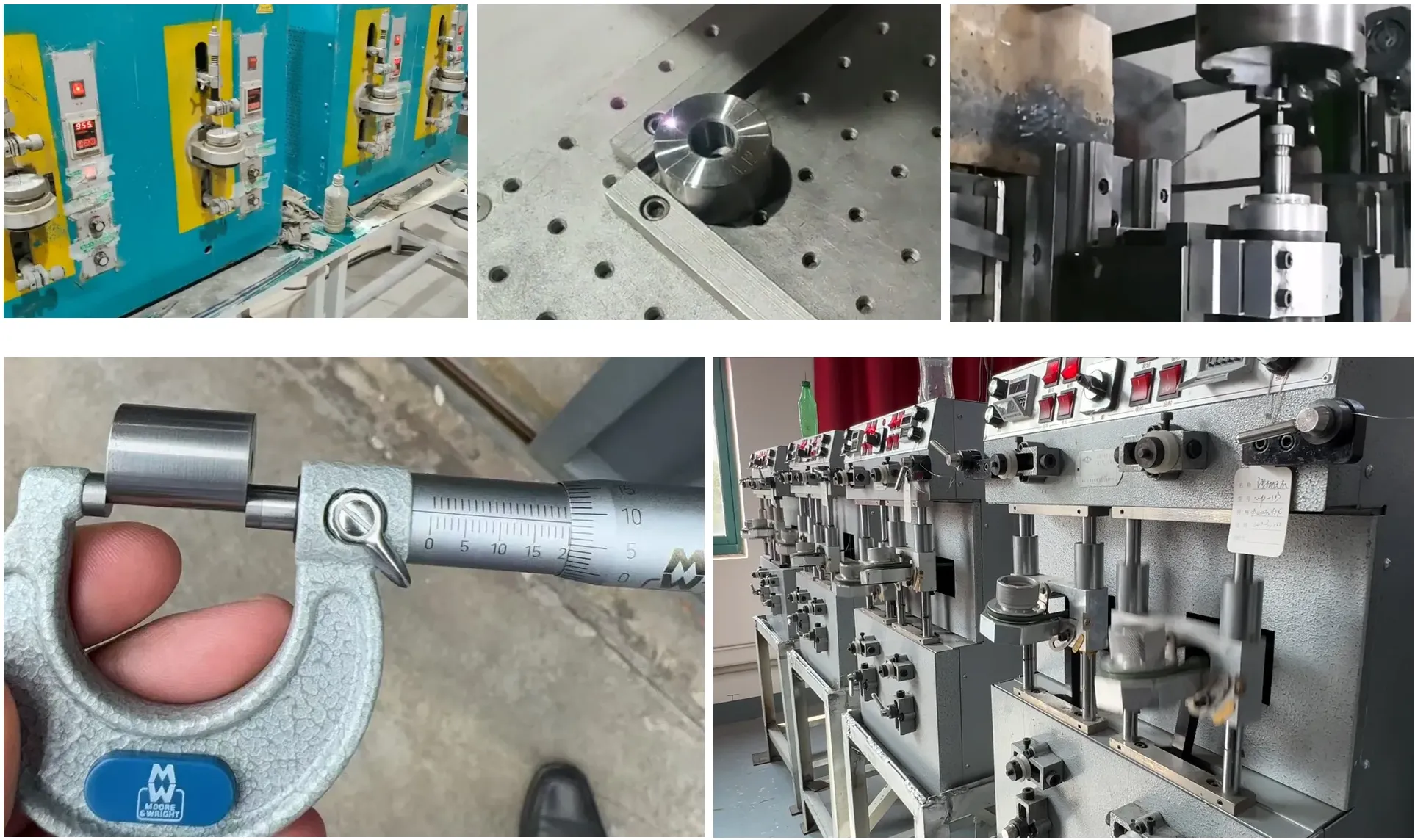
Custom PCD Drawing Dies: Order Process
- Send your wire data or drawing and a sample die if you have one.
- Our engineers confirm geometry, grade and casing and send a quotation with drawing.
- We produce and inspect the die. Typical lead time is 7 days; minimum order is 5pcs.
- Dies ship in protective packaging with an inspection report on request.
We also supply dies together with our wire drawing machines, so die and machine can be matched from the start.
Extending PCD Die Life: Repolishing and Daily Care
Watch for three signs of a worn die: diameter drifting toward the upper tolerance, scratch marks on the wire surface, and rising drawing force or temperature. A worn PCD die can often be reworked to the next larger bore size instead of being scrapped. To get the most from it, keep lubricant clean and filtered, align the wire so it enters on the die axis, and avoid sudden starts or wire breaks that put shock load on the nib.
PCD Drawing Die Frequently Asked Questions
1. What is a PCD drawing die?
A PCD drawing die is a wire drawing die whose working part is made of polycrystalline diamond. Wire is pulled through its polished bore to reduce diameter and set the final size. PCD dies are significantly more wear-resistant than carbide (TC), single-crystal diamond (SCD), or natural diamond (ND) dies, ensuring a much longer service life even under high-stress conditions. PCD dies are significantly more wear-resistant than carbide (TC), single-crystal diamond (SCD), or natural diamond (ND) dies, ensuring a much longer service life even under high-stress conditions. PCD wire dies have extreme hardness and thermal stability, maintaining consistent performance over extended periods, reducing downtime and increasing productivity.
2. How long does a PCD die last compared with tungsten carbide?
In suitable applications a PCD die lasts many times longer than carbide. Industry sources cite from tens of times to over a hundred times, but the actual figure depends on wire material, speed, lubrication and reduction. We can estimate it for your line once we know your conditions.
3. PCD die or natural diamond die: which should I use?
PCD suits long runs, larger sizes and abrasive wire, and keeps the wire round as it wears. Natural or single-crystal diamond is often preferred for very fine wire. Tell us your wire size and we will recommend one.
4. What is a PCD wire drawing die and what is it used for?
5. Can PCD dies draw copper, aluminum and stainless steel wire?
Yes. Copper and aluminum are the most common uses. Stainless steel is also drawn with PCD dies when lubrication and cooling are set correctly.
6. Can a worn PCD die be repolished?
Often yes. A worn die can usually be reworked to a larger bore size. Whether it is worth doing depends on how far the wear has gone and on the die size.
7. What information do you need to quote a PCD drawing die?
Wire material, incoming and finished diameter, drawing speed, wet or dry drawing, tolerance and expected volume. A drawing or a sample die also works.
8. Do you offer custom PCD wire drawing dies?
Yes. Bore size, approach angle, bearing length, casing and polish can all be specified. OEM/ODM availability
Related products
-
CO2 Gas Shielded Welding Wire Production Line
Aluminum Gas Shielded Welding Wire Production Line
Read more